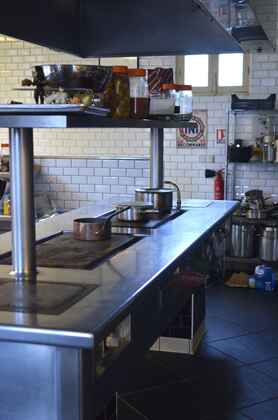
A recall notice for Alasko frozen raspberries went out across the country this month, and it named hotels, restaurants and institutions specifically, not just home cooks. If a bag of that fruit is sitting in a walk-in freezer in Bedford or on the Halifax peninsula, the real question is not what to do with the product now. It is what happens if you already served it before the notice landed. Restaurant insurance usually responds if a customer gets sick and comes after you for it. It usually does not pay to pull the product, replace the stock, or manage what comes next. Those are two different problems, and one policy rarely covers both.

What the Alasko Recall Actually Said
The Canadian Food Inspection Agency issued the recall on September 15. It covers Alasko brand frozen whole raspberries in 1 kilogram and 5 kilogram bags, over possible contamination with norovirus, a virus that causes vomiting, diarrhea, nausea and stomach cramps. The notice says illnesses have already been linked to the product. The bags reached seven provinces, including Nova Scotia, and the recall is addressed to the general public and specifically to hotels, restaurants and institutions. The instruction is plain: do not consume, serve, sell or distribute the affected lots, and either discard them or return them to where they were bought.

That is a supplier’s product, in a supplier’s packaging. Most restaurants using frozen fruit did not choose this particular batch. It arrived through a food service order like any other delivery, which is exactly why the insurance question matters here. Nobody in the kitchen did anything wrong, and the exposure showed up anyway.
Does Your Insurance Cover Food Poisoning at a Restaurant?
What Does General Liability Actually Pay For?
General liability insurance, sometimes called commercial general liability or CGL, is the policy built to respond when someone outside your business is hurt because of something tied to your operation. A customer who gets sick after eating something you served, and can show it came from your kitchen, is exactly the kind of claim this coverage exists for. It typically pays your legal defence, plus any settlement or judgment against you, up to your policy limit. Most restaurant package policies already include it, the same coverage that responds to a slip and fall or a liquor liability claim.
The trigger is the same either way. Something served at the restaurant hurt someone, and they hold the business responsible for it. Whether the root cause was the kitchen itself or a batch of fruit that arrived already contaminated usually does not change whether the claim falls under this coverage. It can change who ends up paying in the end, and that becomes a conversation with the insurer and possibly the supplier, not a reason the claim gets denied outright.
What Insurance Doesn’t Cover After a Food Recall
Who Pays to Destroy and Replace the Recalled Stock?
Here is where most owners assume more than the policy actually promises. Pulling the product off the shelves, destroying it properly, and replacing what got thrown out are direct costs of the recall itself, not a liability claim. A standard general liability or property policy is not built to pay for any of that. A restaurant absorbs the cost of the raspberries it tosses, the labour to sort through the freezer, and the replacement order, the same way it would absorb spoiled stock from any other kitchen loss that nobody is suing over.
Notifying customers who may have been served the item, managing a wave of reviews, or handling media calls if the story grows bigger than a quiet product pull are further out still, according to Zensurance’s overview of product recall coverage. None of that sits inside a standard commercial policy. It sits with the owner, unless something specific has already been bought for it.
Is a Separate Product Recall Policy Worth It for a Halifax Restaurant?
Product recall insurance, sometimes sold as contaminated products coverage, is a specialty policy built for exactly this gap. It is not part of a standard restaurant package, and most Halifax restaurants do not carry it. Where it exists, it is written to cover the retrieval and destruction of the affected product, the cost of notifying customers, shipping and logistics to bring in replacement stock, and crisis management expenses if a recall turns into a bigger story. It sits next to general liability, not instead of it, and it answers a different question. Not who got hurt, but what it cost to respond properly once the notice landed. If a business sells packaged food from a shelf rather than serving it hot, the same question applies to other business types beyond restaurants.
I’m Rayanur Rahman, a commercial insurance broker, and this is one of the coverages people usually ask me about only after a recall notice has already landed in their inbox. I would rather explain what a policy actually promises in plain language before that happens, not after. Whether a separate recall policy is worth adding depends on the supply chain and the menu, not a blanket answer that fits every kitchen the same way, and it falls under the specialty side of what I place, alongside the standard coverage listed on services.

If the recalled product came through a distributor rather than straight from the manufacturer, that relationship can matter for who ultimately absorbs the cost. It does not change whether general liability responds to a claim a customer brings against the restaurant directly. That part of the answer stays the same no matter how many hands the fruit passed through before it reached the kitchen.
What to Actually Do This Week
- Check the freezer and dry storage today against the exact lot numbers and package sizes named in the CFIA notice, not just the brand name.
- Pull and set aside anything that matches, and hold it separately rather than throwing it out right away, in case the supplier asks for proof of the return.
- Call the food distributor and ask directly whether the recalled lots were part of any order shipped this year.
- Ask a broker to confirm in writing whether the current general liability policy would respond to an illness claim tied to a supplier’s product, not just the kitchen itself.
- Get a quote on product recall or contaminated products coverage even without buying it, just to know what closing that gap would actually cost.
- Keep a dated record of when the stock was checked and what was found, the same habit that protects a business in any liability claim.
The Two Problems Are Not the Same Claim
None of this means a recall automatically turns into a lawsuit, or that every kitchen carrying Alasko raspberries this month has something to worry about. It means a supplier’s mistake and a restaurant’s own liability exposure are two separate questions with two separate answers, and only one of them is likely already covered by the policy sitting in the filing cabinet. Check the stock against the actual recall notice, not just the headline, and ask a broker plainly which piece of this the coverage actually reaches. A five minute call now costs a lot less than finding out the gap during a claim.
Not Sure If a Recall Affects Your Coverage?
If a recall notice has you wondering what your restaurant’s policy actually responds to, send me what you’re working with and I’ll tell you plainly.
About the author. Rayanur Rahman is a commercial insurance broker with Western Financial Group in Bedford, Nova Scotia. He places commercial policies for restaurants, contractors, trucking and transportation companies and commercial property owners across the Halifax Regional Municipality, with access to the standard Canadian insurers and to specialty and MGA markets. When a coverage is hard to find, he is the one who goes and finds it instead of telling a client to keep shopping alone. Reach him at 902-321-1712 or book a 30 minute call.
Sources: Canadian Food Inspection Agency, Alasko Brand Frozen Whole Raspberries Recall. Zensurance, What Is Product Recall Insurance. Photo by Skylar Kang on Pexels. Photo by Antoni Shkraba on Pexels. Photo by Wojciech Kotlicki on Pexels. General information only, not advice on your specific policy. Check your own wording.
Leave a Reply