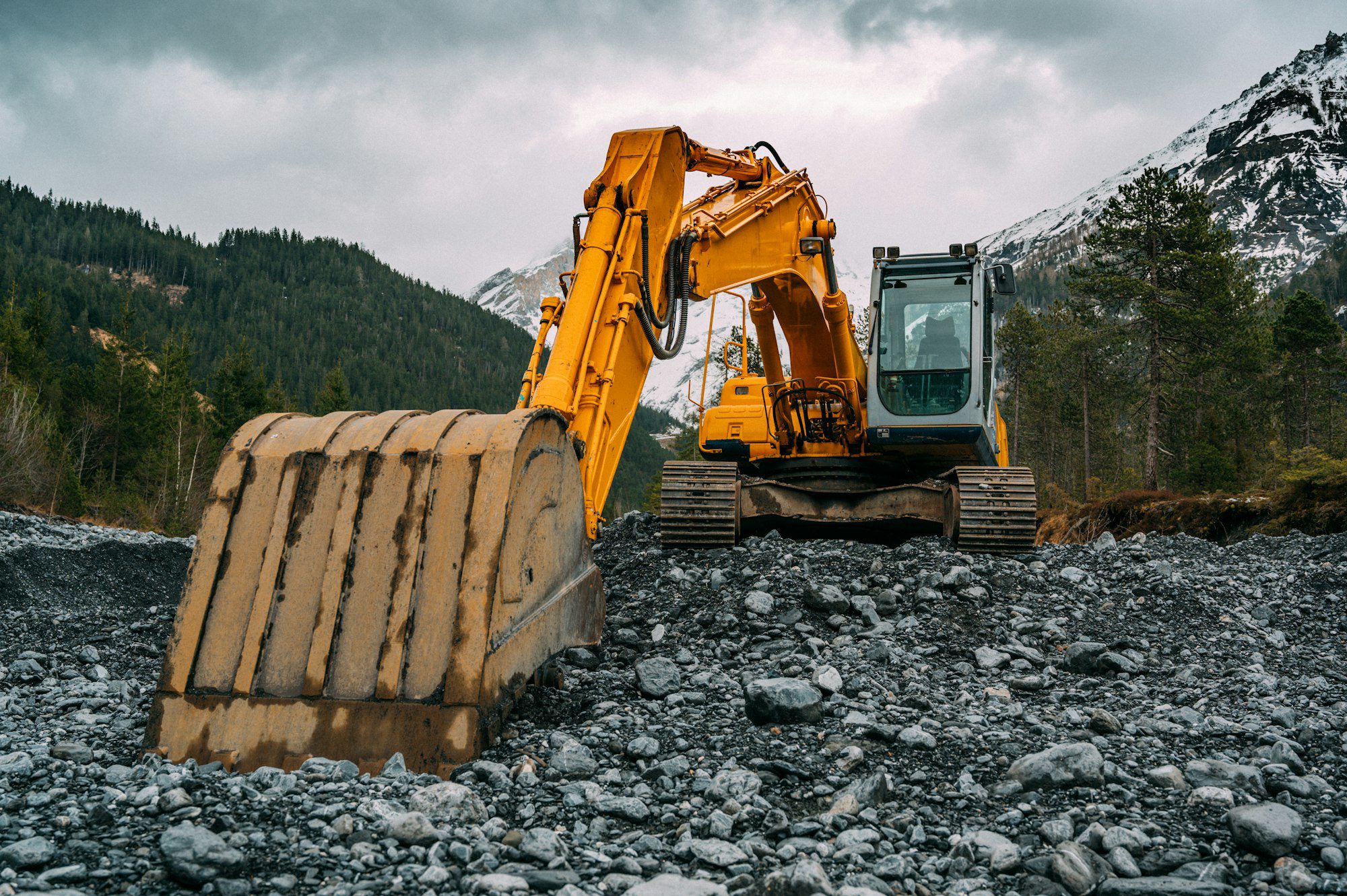
A contractor in Burnside rents a mini excavator for a weekend driveway job and signs the agreement at the counter without reading past the pickup time. If that machine gets damaged or stolen before it goes back, here’s the short version: general liability insurance almost never pays for it, the rental yard’s own damage waiver usually covers only part of it, and whether anything else responds comes down to one line about rented construction equipment that most contractors have never actually checked in their own commercial policy.

Why Your Liability Insurance Doesn’t Pay for the Machine Itself
General liability insurance, the policy that pays when your business injures someone or damages property belonging to someone else, is built to answer for a third party’s loss. It isn’t built to pay for equipment you’re using yourself, whether you own it outright or you’re renting it for the afternoon. If your crew backs a rented excavator into a neighbour’s fence, that’s exactly the kind of claim liability coverage exists for. If the same excavator tips into a ditch, gets damaged on site, or goes missing overnight, that’s damage to a machine you’re currently responsible for, and liability coverage has nothing to say about it.
What Does the Rental Agreement Actually Make You Responsible For?
The agreement you sign at the counter usually puts you on the hook for the machine from the moment it leaves the yard to the moment it comes back, not only for damage that was clearly your fault. BrokerLink’s guide to contractor coverage puts it plainly: leasing or renting equipment “typically makes you responsible for any damage that occurs during the lease,” whether that’s a scrape from ordinary use, a flat tire, or the machine disappearing from a job site overnight. Read the agreement before you sign it, not after something happens to the machine.
What a Rental Yard’s Own Damage Waiver Actually Covers
Most rental counters offer their own damage waiver when you pick up a machine, a fee added onto the rental that limits how much of a loss lands back on you. It isn’t the same thing as having your own insurance respond, and it isn’t blanket protection. A widely cited example from construction industry guidance has a waiver requiring the renter to cover half the value of a stolen machine, and waivers typically exclude damage caused by misuse or poor maintenance rather than genuine theft or an accident. Read what the waiver actually promises before you assume it closes the gap.
Buying it only gets you partway there. A waiver caps part of your exposure on one rental, for one machine, for one job. It doesn’t carry over to the next rental, and it doesn’t account for a crew that’s renting something different every few weeks. If renting equipment is a regular part of how your business runs a job, a waiver bought fresh at the counter each time is a thinner safety net than coverage that follows every machine you rent without you having to think about it.
What Rented Construction Equipment Coverage Actually Does
The piece meant to close this gap is usually called rented and leased equipment coverage, and it’s typically added onto a contractor’s equipment policy rather than sold as its own product. BrokerLink notes that many contractors’ equipment policies will include coverage for the equipment you lease, which is good news with one catch: many isn’t all, and whether yours actually does, and at what limit, is a question for your contractor’s insurance broker rather than an assumption you carry into the next job.
A contractor renting a mini excavator for a driveway job on the Bedford Highway, a mason renting scaffolding for a few weeks of facade work downtown, and a landscaper renting a skid steer for a season out of a Burnside yard are all carrying the same exposure on different machines and different timelines. A restaurant owner renting a generator for a patio build-out, or a property manager renting a pressure washer for a one-day job, is carrying a smaller version of the same thing. None of them need a different kind of policy from each other. They need a policy that’s actually been checked against what they’re renting, rather than assumed to already cover it.

Does This Apply to Scaffolding and Tools, or Just Heavy Machinery?
Yes, and the size of the equipment doesn’t change how the agreement works. A rented generator, a scaffolding system, a pressure washer, and a skid steer all sit under the same kind of rental agreement, the same responsibility while they’re in your care, and the same question about whether your policy actually follows them. The dollar value is smaller than an excavator, but the mechanism behind it is identical.
What to Actually Do Before Your Next Rental
- Before you sign anything at the counter, ask whether the agreement makes you responsible for the equipment no matter what happens to it, or only for damage that’s clearly your fault.
- Call your broker before the job starts, not after a machine comes back damaged, and ask whether your contractor’s equipment policy actually includes a rented and leased equipment extension, and what limit it carries.
- Decide on purpose whether to buy the rental yard’s damage waiver. Read what it excludes before you wave it off, or before you pay for it out of habit every time.
- Match whatever coverage you’re relying on to the replacement value of the actual machine you’re renting, not a rough guess based on what a smaller job usually costs.
- If a rental company asks for proof of insurance before it releases equipment, that request is pointing at the same gap this post is about. Get your broker to send a certificate instead of assuming your existing policy already covers it.
- Revisit this every time you rent something bigger or more expensive than what your crew usually runs.
This is one of the more common gaps I find reading through a contractor’s policy. A rented excavator, a scaffolding system, a generator, all treated as if coverage already follows them onto the job. It usually doesn’t follow automatically, and fixing it is often a quick addition to a policy you already have rather than a new one.
The Bottom Line
None of this is about trusting the rental yard less. It’s a plain fact that the agreement you sign at the counter and the policy sitting in your filing cabinet are two separate documents, and nobody has necessarily checked that they actually line up. That’s a cheaper question to ask before a job than after a machine comes back damaged, or doesn’t come back at all.
Renting Equipment for an Upcoming Job?
If you’ve got a rental booked, or renting equipment is just part of how your crew gets work done, I’ll check that your coverage actually follows it before the job starts.
About the author. Rayanur Rahman is a commercial insurance broker with Western Financial Group in Bedford, Nova Scotia. He places commercial policies for restaurants, contractors, trucking and transportation companies and commercial property owners across the Halifax Regional Municipality, with access to the standard Canadian insurers and to specialty and MGA markets. He works with contractors across Burnside, Dartmouth and the Bedford Highway corridor who rent equipment for a single job about as often as they own it outright. Reach him at 902-321-1712 or book a 30 minute call.
Sources: BrokerLink: What Is Contractor Equipment Insurance?. Procore: Guide to Construction Equipment Rental Insurance. Photo by Gerold Hinzen on Unsplash. Photo by Willy the Wizard on Unsplash. General information only, not advice on your specific policy. Check your own wording.
Leave a Reply